

Defining Entry Reasons
A thorough deconstruction of the primary thesis requirement before any asset is recorded. Explore how ambiguity at the point of ingestion leads directly to analytical drift and poor audit results.
View documentation ledger →

Rigorous educational documentation on defining entry premises, setting objective review dates, condition degradation checks, and systematic list pruning.
Maintaining analytical clarity requires ruthless inventory discipline. An undisciplined watchlist degenerates into cognitive static, causing missed opportunities and subjective bias. This repository details our formal procedures for admission criteria, scheduled re-evaluation checkpoints, condition decay tracking, and automated purge protocols.
A thorough deconstruction of the primary thesis requirement before any asset is recorded. Explore how ambiguity at the point of ingestion leads directly to analytical drift and poor audit results.
View documentation ledger →Implementing hard temporal expiration triggers. Why static observation windows prevent symbol accumulation and ensure candidate viability is consistently challenged.
View documentation ledger →Documenting real-time shifts in macro or asset-specific structures. Learn the exact criteria for logging dynamic adjustments without diluting initial thesis integrity.
View documentation ledger →Cadence-driven maintenance operations. Step-by-step guidance on identifying stale records, handling orphaned tags, and enforcing periodic list pruning cycles.
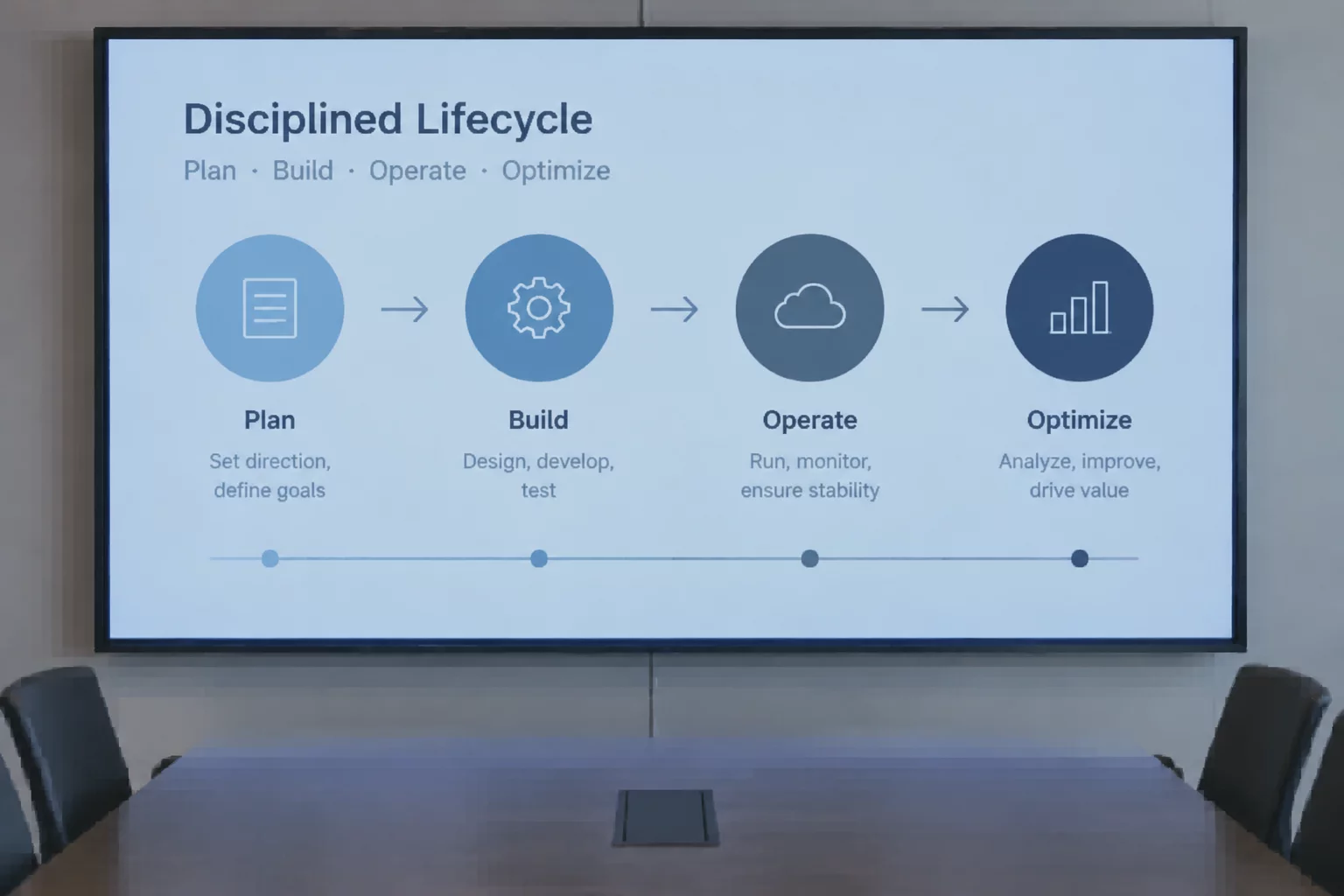
View documentation ledger →Tracking every ticker through defined lifecycle states: Ingestion, Active Monitoring, Invalidation, and Cold Storage Archival. Full state-machine specifications.
View documentation ledger →How to explicitly document the scanner filters and operational queries that yielded each symbol, guaranteeing that quantitative origins can be independently re-run.
View documentation ledger →Recognizing emotional attachment to stale ideas. Analytical protocols designed to enforce neutrality and decouple past predictions from current setups.
View documentation ledger →Best practices for tying chart drawings, price alerts, and indicator triggers directly into ledger records. Eliminating mismatched price thresholds across platforms.
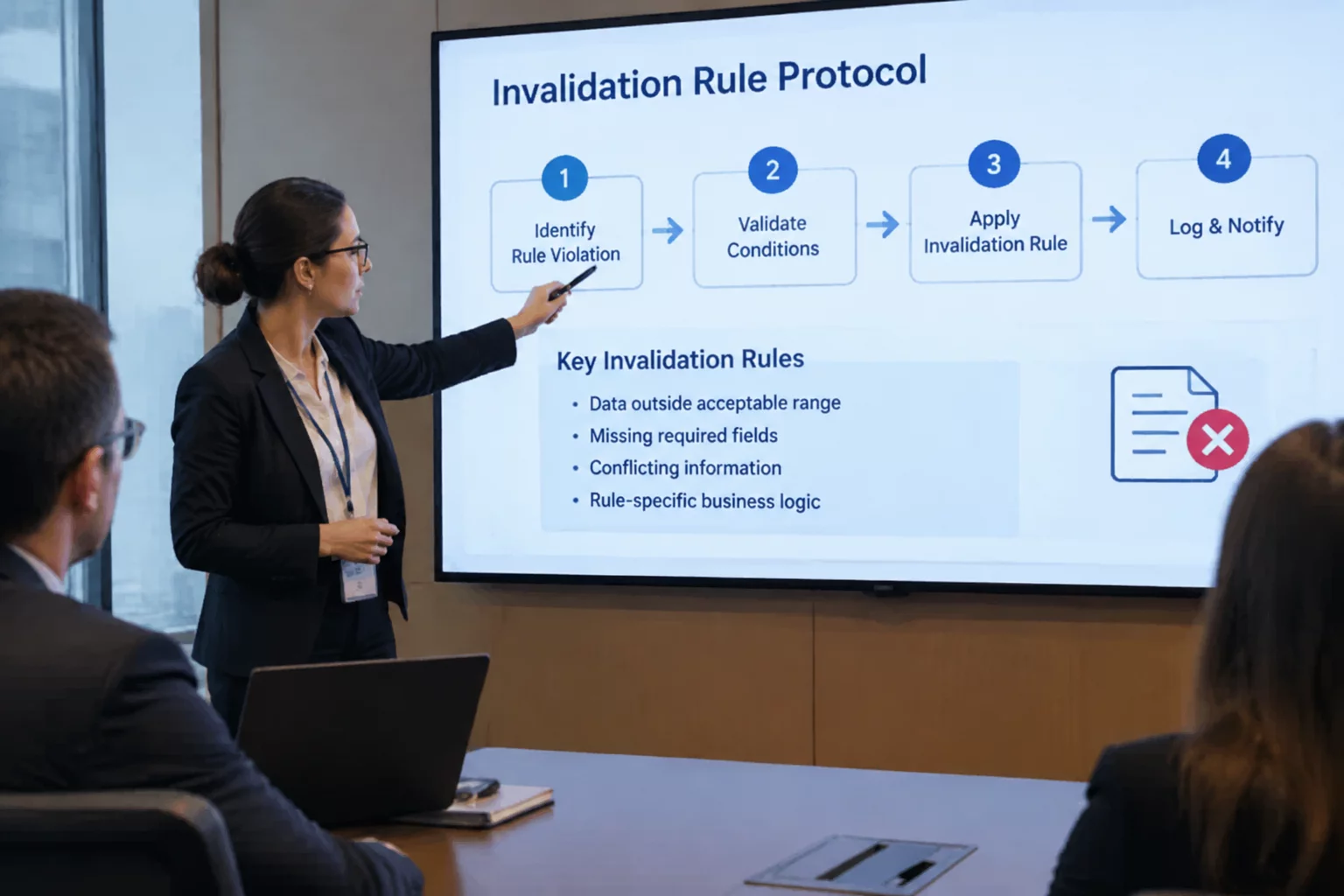
View documentation ledger →Constructing explicit falsification thresholds. Why documenting when an asset must be removed is as structurally vital as documenting why it was added.
View documentation ledger →Pruning zero-momentum candidates from primary views while maintaining a comprehensive historical audit trace. Architecture of dormant candidate repositories.
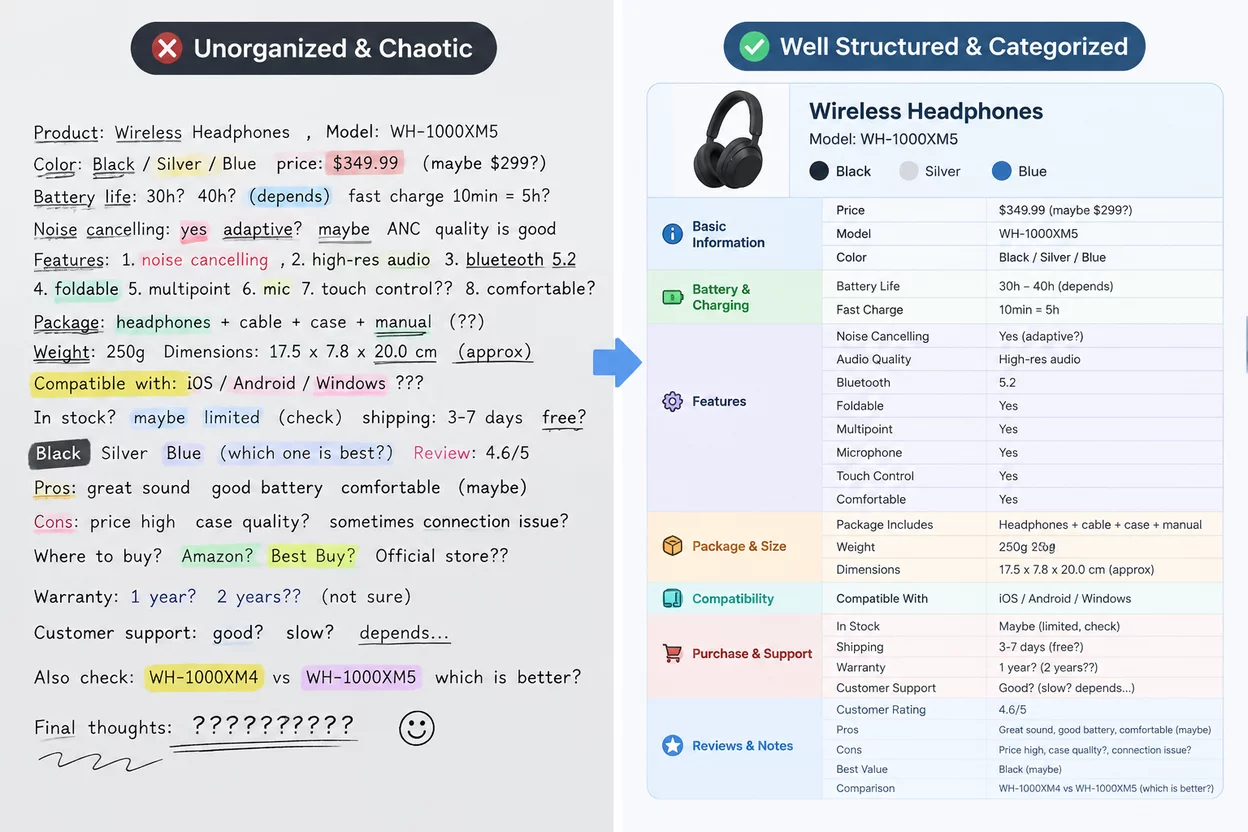
View documentation ledger →Comparative evaluation between rigid JSON/tabular attributes and open narrative journals. Why structured syntax yields superior machine readability and audit speed.
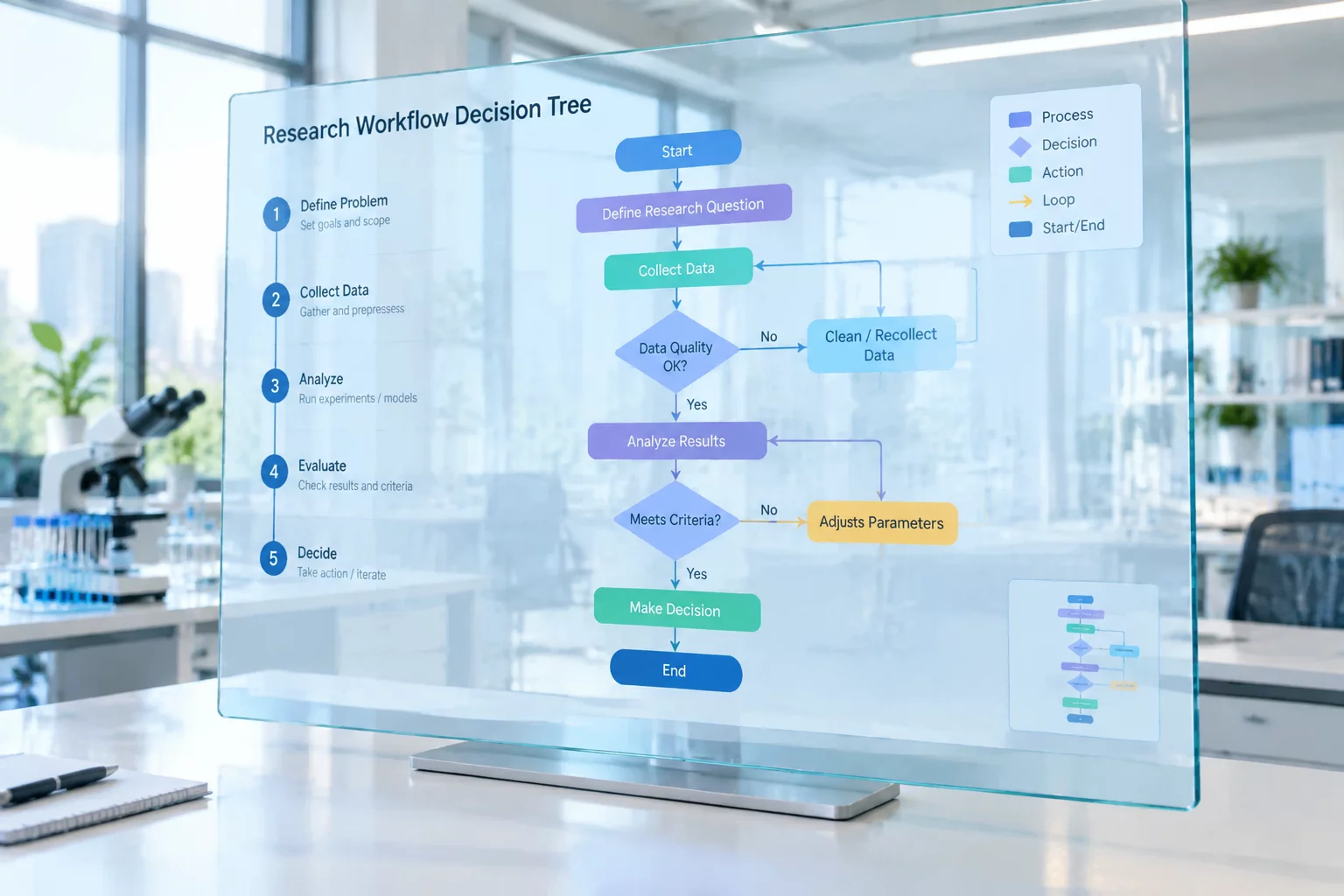
View documentation ledger →Measuring the fidelity of prior watchlist additions via paper reviews. Isolating structural setup realization rates to validate analytical premise accuracy.
View documentation ledger →