The Structural Cost of Watchlist Bloat
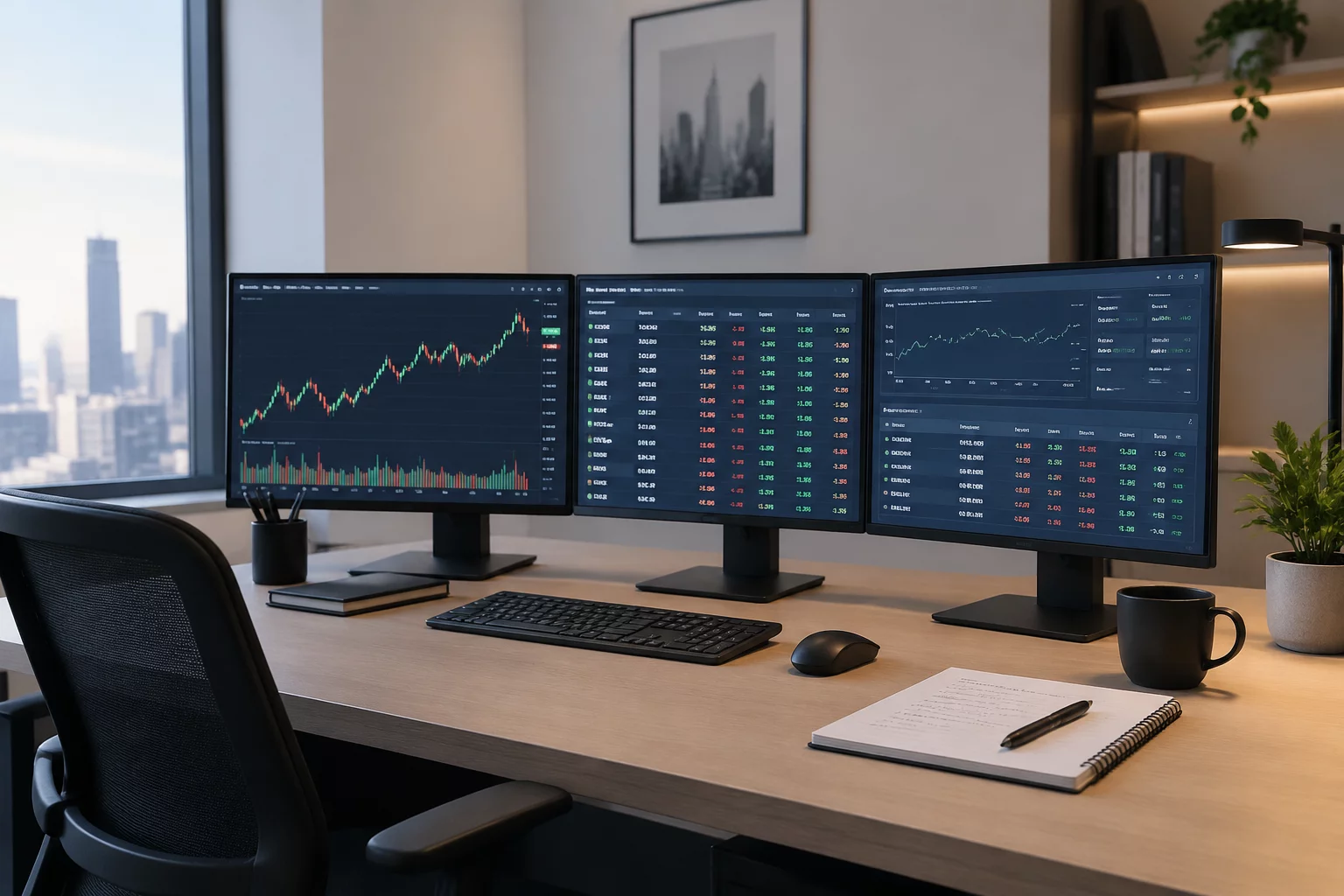
Active trading watchlists deteriorate over time into neglected staging grounds when expired concepts remain permanently anchored in daily scanning routines. Researchers routinely hold symbols on active dashboards due to past research efforts rather than current market readiness. When an instrument drifts aimlessly through narrow ranges without testing documented boundary thresholds, its lingering presence blurs vital alert signals and obscures fresh market developments.
Visual focus and immediate working memory are strictly limited during active trading hours. Every dormant ticker creates repetitive micro-delays during systematic review cycles, demanding manual checks on stale levels that have lost their strategic merit. Enforcing a strict dormancy timeline prevents observation lists from expanding into bloated indexes of obsolete trade concepts.
Organizing the Cold Storage Pipeline
A systematic archival workflow processes candidates through an orderly sequence instead of relying on emotional one-click removals. When an instrument reaches its pre-set review date without confirming secondary price triggers, the analyst initiates the migration sequence into cold storage.
Cold Ledger Archival Requisites
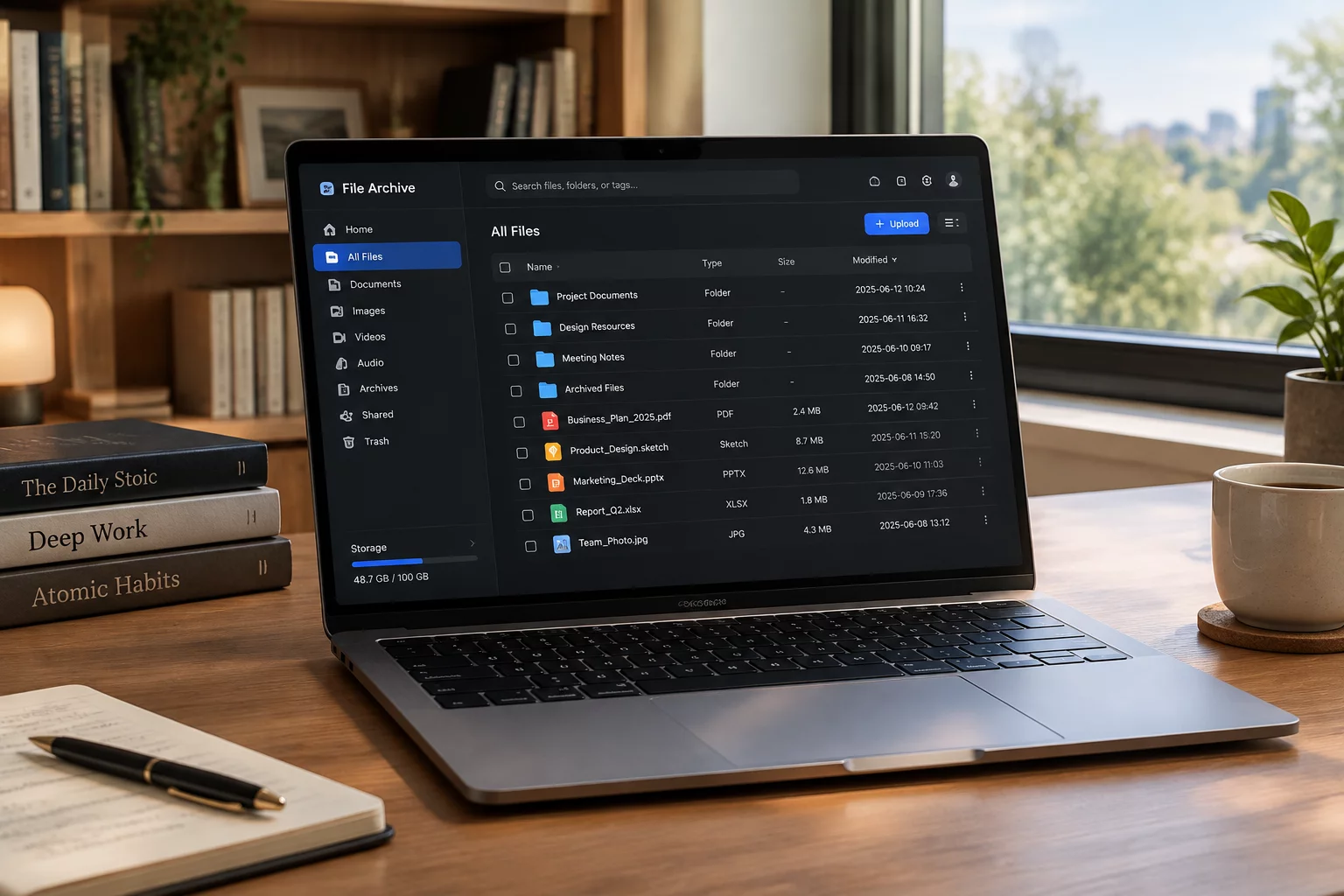
Before purging any symbol from active platform containers, record four key variables in the offline repository: the initial screening hypothesis, the peak boundary variance witnessed during observation, the precise dormancy cause, and the definitive closing timestamp.
Preserving structured logs within cold storage tables builds a robust empirical foundation for iterative performance audits. Over consecutive quarters, this archived data exposes recurring false-positive setups, helping research desks refine technical screening filters and eliminate repetitive observation failures.
Bi-Weekly Archival Maintenance Sequence
Maintaining an uncluttered scanning dashboard requires procedural consistency. Executing this three-step purge routine at the close of every second market week guarantees active screens open on Monday morning fully focused on verified setups:
- [01] Audit catalyst expiration dates: Flag all symbols whose key event window passed ten sessions prior without creating directional momentum or technical expansion.
- [02] Transfer notes and price levels: Export chart notes, support boundaries, and invalidation reasons directly into the central archive ledger table.
- [03] Purge active software lists: Strip the symbol from active scanning collections, leaving it accessible solely through offline review files.
Enforcing this disciplined protocol protects core analytical records while liberating scanner performance. Analysts operate within an orderly terminal layout, confident that past research remains organized for post-trade reviews and retrospective analysis.