
The Creeping Hazard of Watchlist Stagnation
Market screeners generate ideas with minimal effort, yet unchecked accumulation turns an analytical dashboard into a graveyard of obsolete premises. When an analyst tracks sixty symbols across multiple sector groups, vigilance diminishes exponentially. Tickers linger long after their setup parameters have dissolved, consuming attention and obscuring genuine high-conviction opportunities.
Psychological attachment often disguises itself as thoroughness. Traders retain tickers hoping a broken consolidation recovers or an anticipated volume surge belatedly appears. WatchlistReason Ledger replaces emotional inertia with an immutable rule: an observed symbol either progresses toward its pre-defined trigger condition within the allotted timeframe, or it exits the active deck without exception.
Structuring Objective Deletion Triggers
Systematic hygiene relies on establishing unambiguous invalidation triggers at the moment a ticker enters the watchlist. Defining exit conditions before price action unfolds strips subjective bias from the pruning process.
The 3-Tier Invalidation Benchmark
Classify invalidation across three distinct dimensions: structural breach (price closes beyond support or resistance threshold), temporal decay (consolidation extends beyond expected cycle count), and catalyst expiration (the fundamental event passes without expected market participation).
When any single threshold triggers, the software alert prompts an archival log rather than a manual rationalization. The ticker moves into the historical ledger, cataloging why the thesis failed to materialize. This practice preserves statistical integrity while keeping the primary workspace stripped of noise.
Executing the Weekly Hygiene Cycle
Maintain operational consistency by implementing a recurring three-phase maintenance audit at regular weekend or pre-market intervals:
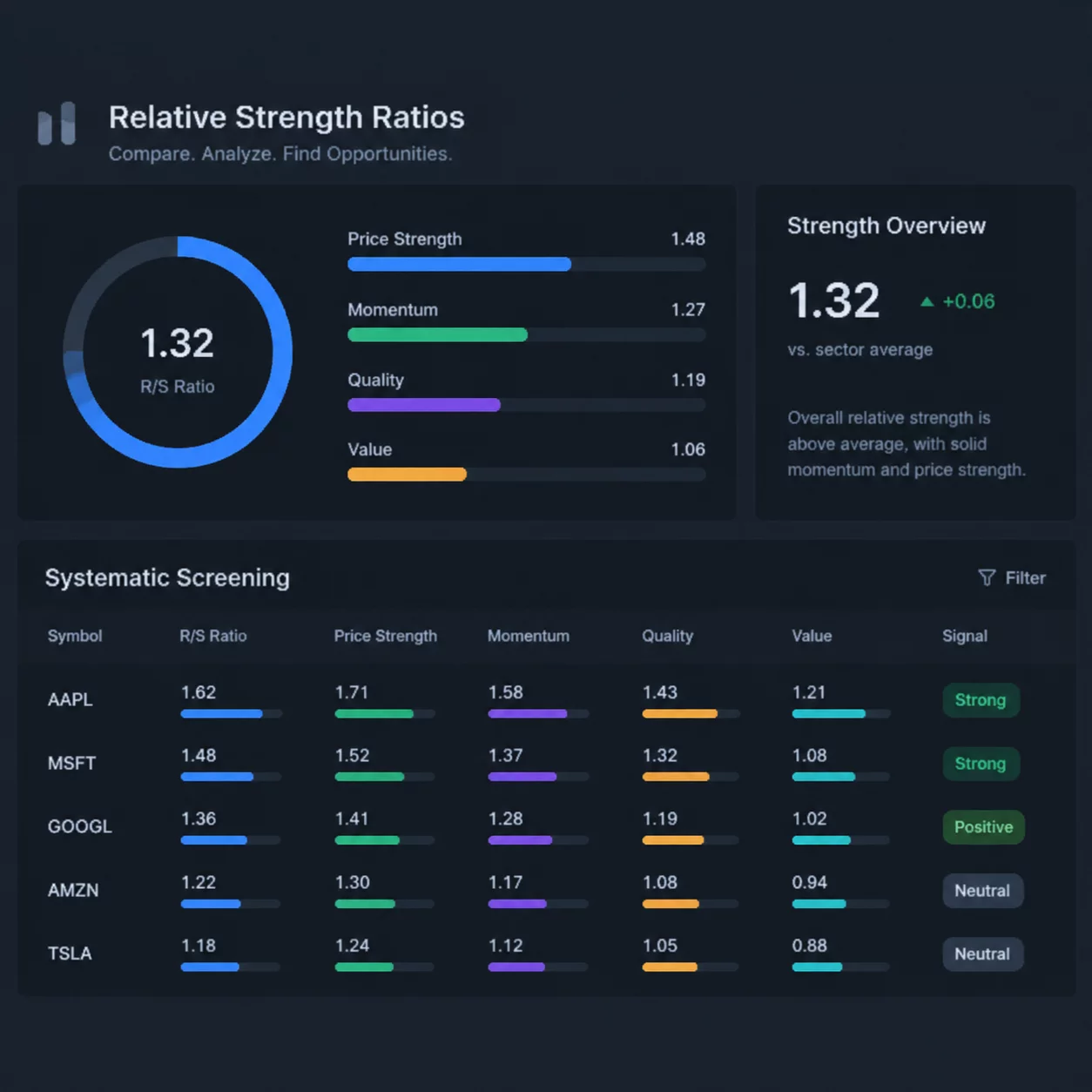
- [01] Phase I: Condition Verification. Cross-reference every active symbol against its initial reason entry. Confirm whether moving averages, volatility bands, or relative strength ratios still satisfy baseline criteria.
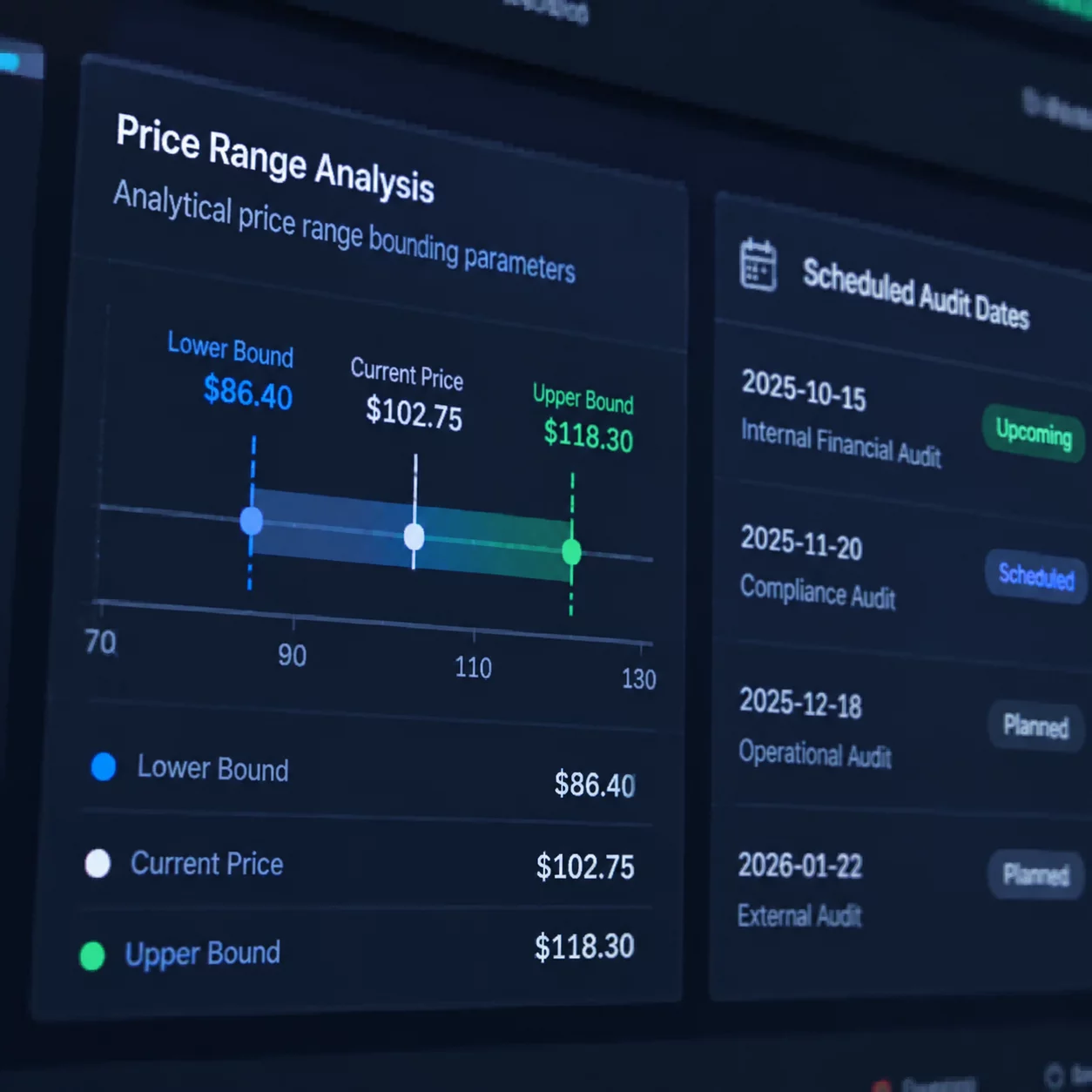
- [02] Phase II: Calendar Expiration Audit. Identify all tickers that reached their scheduled review date. If consolidation is unresolved and no secondary catalyst has emerged, reclassify the asset to dormant status.
- [03] Phase III: Archive Migration & Ledger Committal. Purge rejected symbols from the primary execution monitor into the historical review ledger, capturing terminal metrics and duration of observation.
Adhering to this routine ensures that Monday morning opens with an immaculate workspace containing only verifiable, high-probability candidates.