
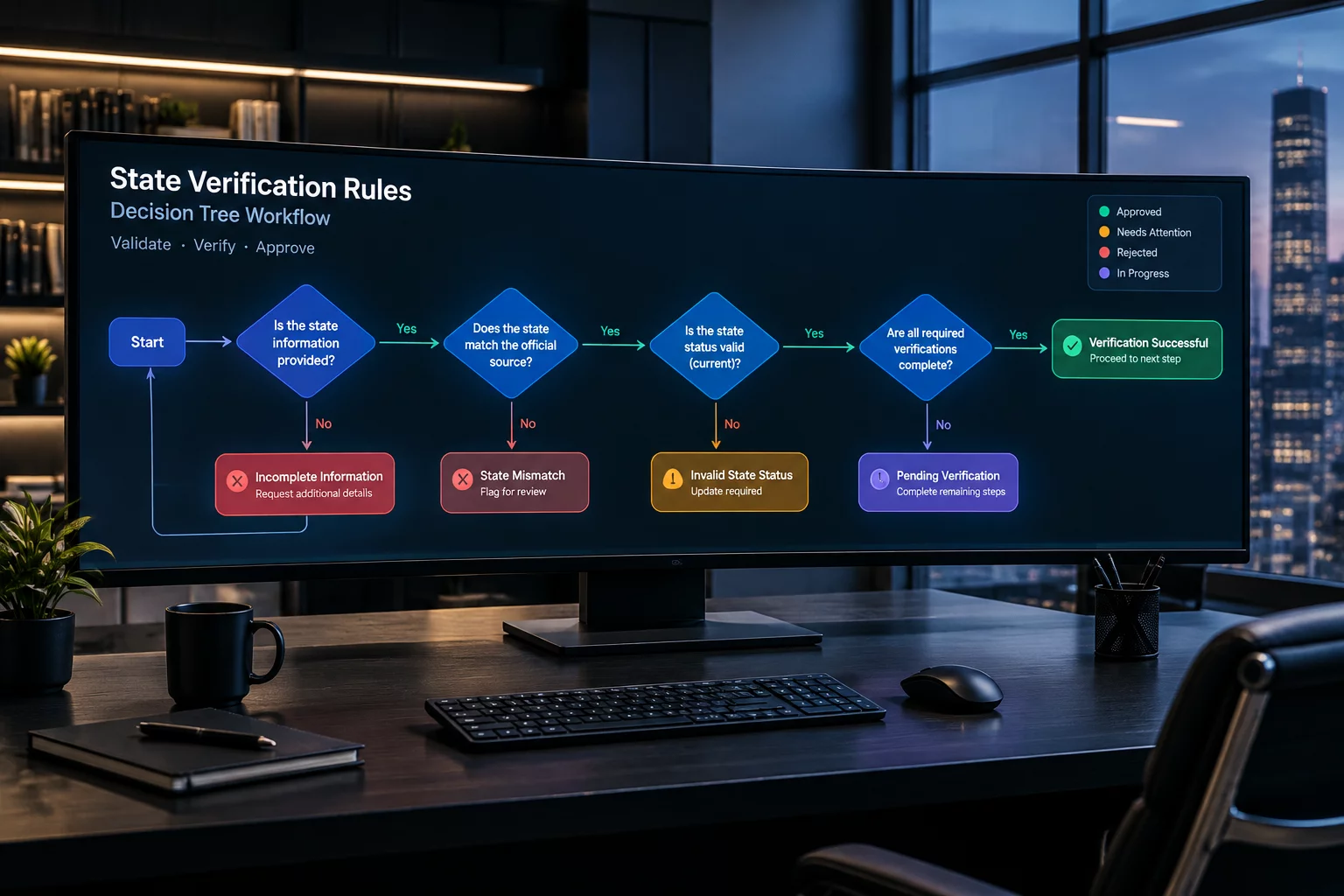
Deconstructing the Condition Mutation Phase
Market dynamics are inherently non-stationary. An asset recorded for relative strength consolidation may decelerate or drift sideways while its parent index pushes forward. Casual observers often excuse these minor deviations as consolidation, yet an undisciplined watchlist inevitably turns into a graveyard of stale ideas. The Condition Changes Protocol replaces speculative tolerance with unambiguous state validation.
Operating under a systematic regime means every shift in fundamental or technical character requires immediate logging. Whether tracking volatility contraction, support retests, or volume spikes, any breach of defined boundary rules demands an updated ledger entry. Documenting the precise moment a condition mutates prevents retrospective bias and preserves analytical integrity across all tracking tiers.
The Dual-Gate Verification Methodology
Premature list eviction can be as damaging to tracking fidelity as endless retention. Intraday wicks frequently dip below support thresholds only to snap back by the market bell. To filter out liquidity sweeps while respecting structural failure, the protocol institutes a dual-gate validation procedure.
Gatekeeper Criterion: The Session Close Invariant
An intraday parameter breach registers an operational Yellow Flag on the ledger console. Formal reclassification to Invalidation only executes if the closing print confirms the failure. This rule keeps the observer alert without triggering hasty reallocations on intraday noise.
Once confirmed at session close, the status modification becomes permanent. The historical entry is committed with its terminal metrics, ensuring that any subsequent interest in the same asset must start as a brand-new thesis with independent review dates.
Systematic Watchlist Purge Execution
Emotional attachment to watchlist candidates is a documented pitfall for technical researchers. When an asset breaches its boundary conditions, execution must proceed through a mechanical three-stage process without discretion:
- [01] State Transition: Shift ticker status from Active Observation to Thesis Nullified immediately upon confirmed closing breach.
- [02] Audit Archival: Log the terminal price, relative volume metrics, and chart screenshot checksum into the historical record.
- [03] Console Eviction: Remove the ticker from the active operational scan and route all data to the inactive review repository.
By applying this structured purge cycle, the active watchlist maintains optimal density, displaying only candidates that satisfy every active criterion.