
The Fallacy of the Generic Watchlist
Market participants regularly populate watchlists with dozens of promising tickers without specifying why they belong there. Over several trading sessions, the initial spark that justified adding an equity fades from memory, leaving an ambiguous symbol that invites hindsight rationalization. When price moves erratically, the ungrounded observer invents a retroactive narrative to justify continued attention.
A watchlist is an analytical holding bay, not an accumulator of speculative optimism. By formalizing entry documentation, every asset on your radar operates under a verifiable trial period. If an asset cannot pass an explicit qualifying threshold within a set timeframe, it has no business consuming mental bandwidth or visual space on a focused monitor layout.
Formulating Unambiguous Condition Matrices
A robust entry reason avoids vague prose such as "looks ready to bounce" or "strong earnings potential." Instead, it translates an analytical thesis into quantifiable constraints across volatility, relative strength, and structural technical zones.
Structural Parameter Minimums
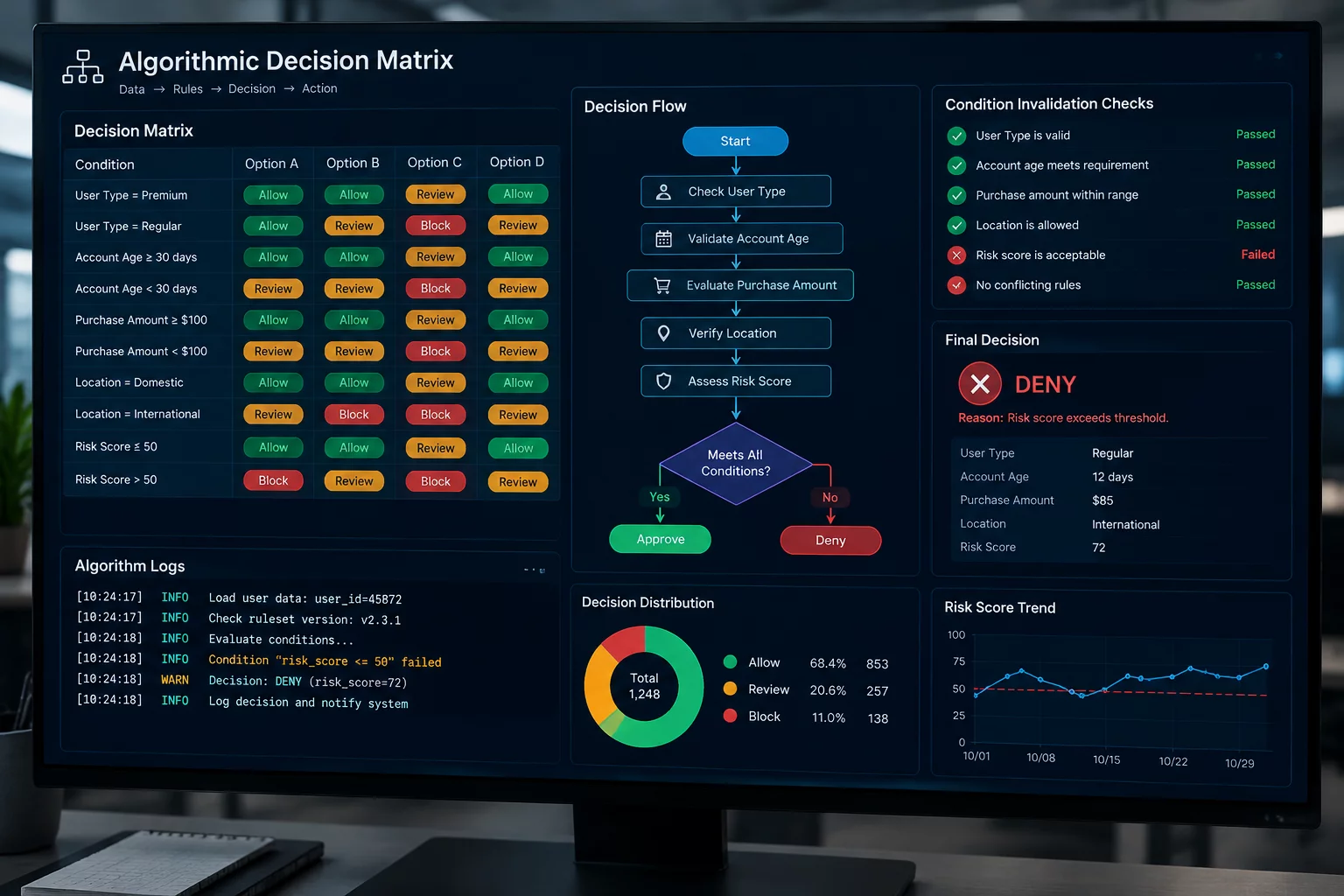
A compliant watchlist entry record must contain three non-negotiable vectors: the setup classification (e.g., multi-week consolidation test), the quantitative trigger metric (e.g., daily close above resistance with volume 1.5x 20-day average), and the strict invalidation boundary (e.g., breakdown below the prior swing trough).
Documenting these constraints creates a baseline for post-market auditing. When market hours conclude, reviewing symbols becomes a mechanical pass-fail check rather than an emotional re-evaluation. Either the market respected the mapped thesis, or the observation window concluded.
Three-Phase Protocol for Adding New Symbols
Applying a standardized procedure ensures watchlist hygiene remains consistent regardless of market volatility or volume spikes:
- [01] Record the core catalyst or technical compression event alongside exact numeric triggers in your tracking ledger.
- [02] Assign an objective review horizon (typically three to five trading sessions) to prevent perpetual dormant observation.
- [03] Log the disqualification criteria immediately so removal requires no subjective deliberation when conditions fail.
Following this sequential workflow protects cognitive bandwidth and isolates only genuine market opportunities that conform to predefined strategic principles.