
The Accumulation of Visual and Condition Entropy
Market charting platforms inevitably collect residual drawings, forgotten horizontal rays, and outdated alert conditions over time. When a researcher plots a breakout level or an indicator alert on a daily chart, that condition reflects a momentary hypothesis. Within days or weeks, changing price dynamics, dividend adjustments, or earnings surprises erode the technical context, leaving ghost parameters active across the terminal.
This condition debt degrades decision quality in subtle ways. Tickers trigger sudden alerts based on technical criteria configured weeks prior for a completely distinct macro environment. When researchers evaluate such notifications without an explicit audit trail, cognitive fatigue sets in. The trader spends critical focus deciphering why an alert fired rather than evaluating verified setups systematically documented in the ledger.
Synchronizing Chart Geometry with Structured Entries
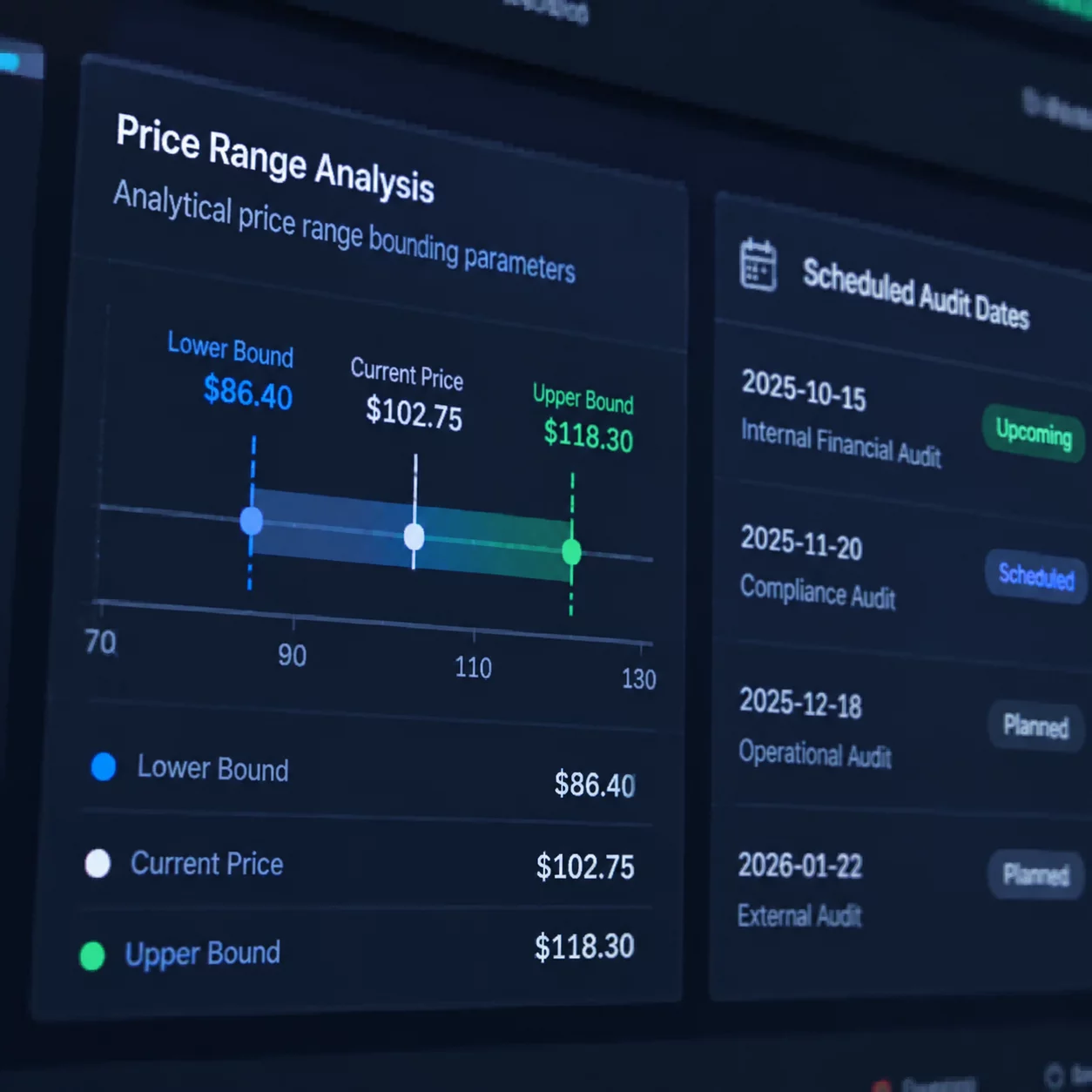
Effective technical hygiene demands absolute parity between what appears visually on the charting canvas and what resides in structured ledger database rows. If a support shelf is charted at $142.50, the observation log must record that exact coordinate alongside its creation date, underlying rationale, and expiration horizon.
Decoupling Visual Attachment from Mathematical Triggers
Traders frequently fall into the trap of moving chart trendlines down as price deteriorates, adjusting angles to maintain an illusion that a pattern remains intact. The audit protocol neutralizes this bias by freezing coordinate timestamps: any manual relocation of a boundary requires an explicit ledger amendment note justifying the revised structural model.
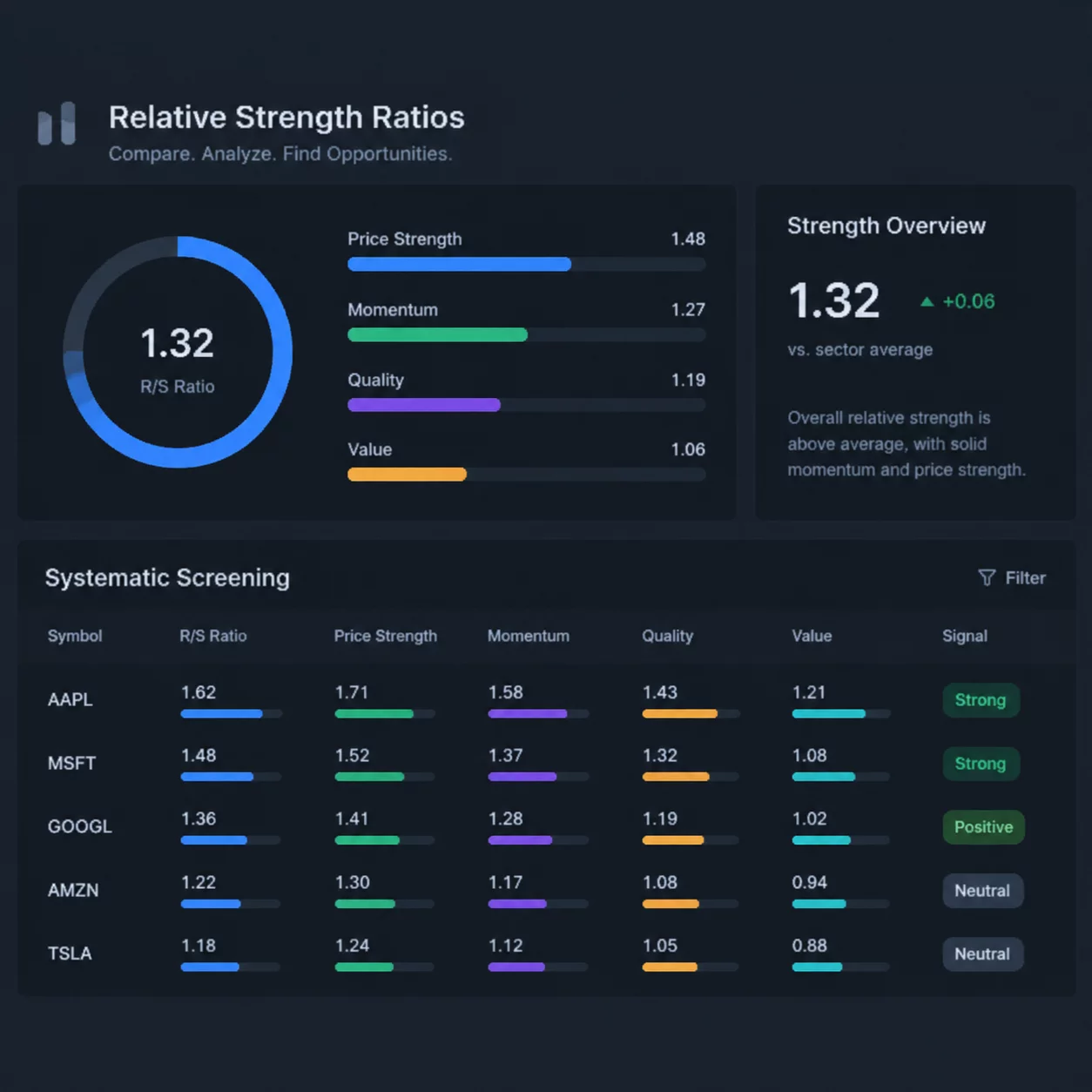
Without strict synchronization, watchlist items linger in operational limbo. A symbol is retained simply because an old trendline appears on the screen, even though the underlying volume profile or relative strength criteria that initially motivated its inclusion disappeared long ago.
The Three-Stage Systematic Condition Audit Workflow
Executing a condition audit follows a linear verification path designed to identify discrepancies between software alert queues and the core premise ledger. Perform this procedure systematically at the close of every bi-weekly trading cycle.
- [01] Extract active platform alerts and compare their target price values against the registered invalidation and confirmation thresholds inside the central ledger.
- [02] Verify indicator calculations across relevant timeframes, checking that custom formula syntax, moving averages, and volatility envelopes reflect clean data feeds.
- [03] Purge visual annotations and notifications for any candidate symbol whose invalidation limit was touched, recording the post-event conclusion into the archive repository.
Completing these stages ensures your analytical monitors remain focused, clean, and entirely free of ambiguous trigger parameters that generate premature or ungrounded trade entries.