
Decoupling Analytical Observation from Capital Exposure
Market participants routinely confuse analytical precision with trading performance. When real capital is committed to a position, emotional pressure and risk aversion frequently distort objective judgment, leading analysts to adjust stop boundaries or invent new technical excuses mid-trade. Simulated follow-up procedures solve this cognitive failure by establishing an isolated, disciplined environment where chart patterns, volume surges, and setup conditions are observed under strict scientific rigor without transactional bias.
By treating watchlists as predictive laboratories rather than immediate buy orders, analysts build a robust historical dataset. When a setup fails, the simulated protocol captures the exact breakdown trigger, identifying whether the failure stemmed from broad market headwinds, faulty screening filters, or sector rotation. This empirical feedback loop steadily refines watchlist quality across varied market regimes.
Structuring the Three-Tier Inspection Framework
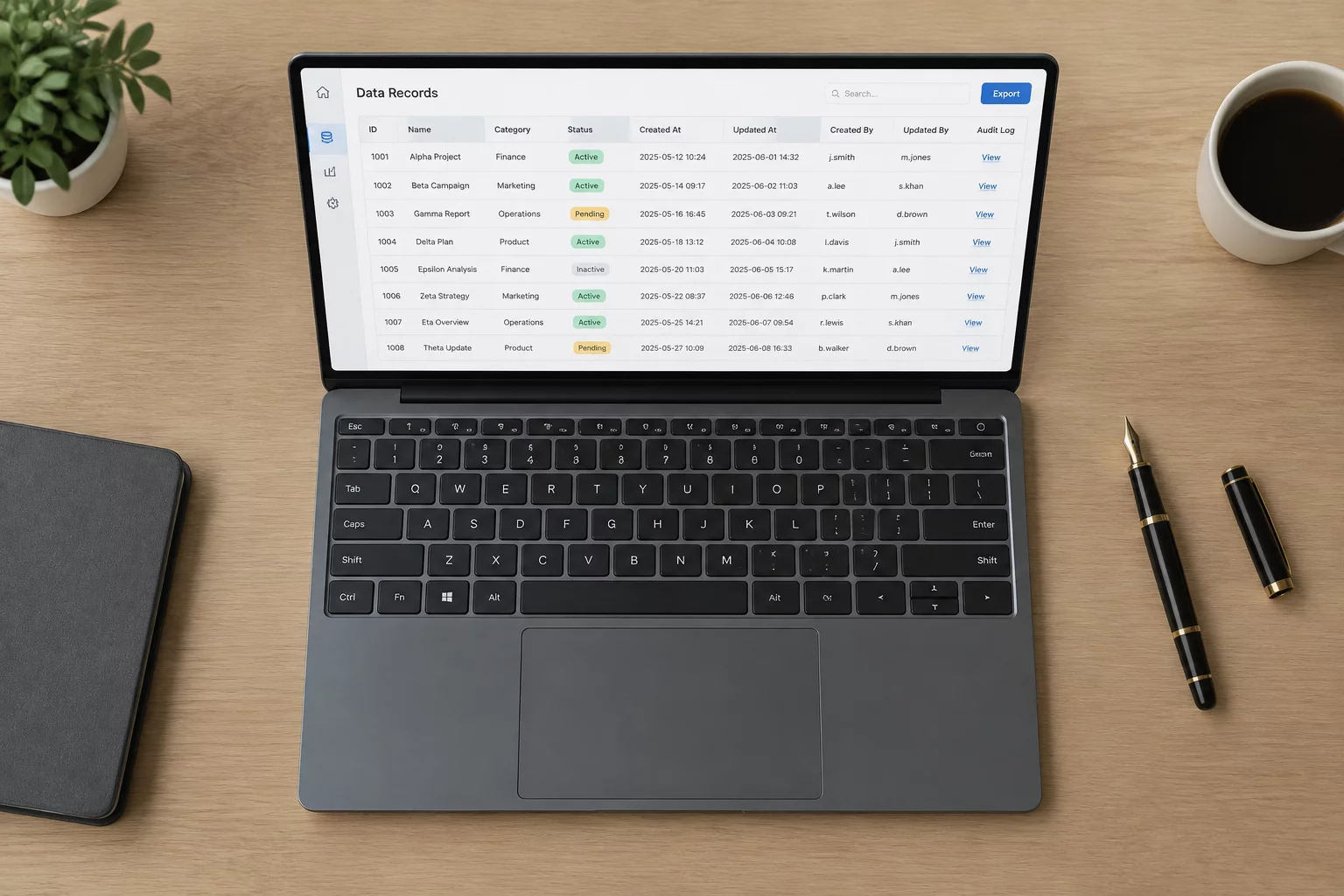
A dependable simulated observation workflow relies on structured tabular registers rather than informal chart markup. Drawing trendlines or leaving open-ended sticky notes on charting platforms inevitably leads to hindsight rationalization, as observers quietly erase lines once prices cross them. Structured registry entries, in contrast, preserve the exact initial hypothesis in permanent log form.
Scheduled Audit Milestones
Assets logged in the simulation registry undergo formal evaluations at fixed intervals—typically after 5, 10, and 20 market sessions. At each checkpoint, the researcher checks whether the underlying thesis remains intact, whether contraction has resolved into expansion, or whether invalidation levels have been violated.
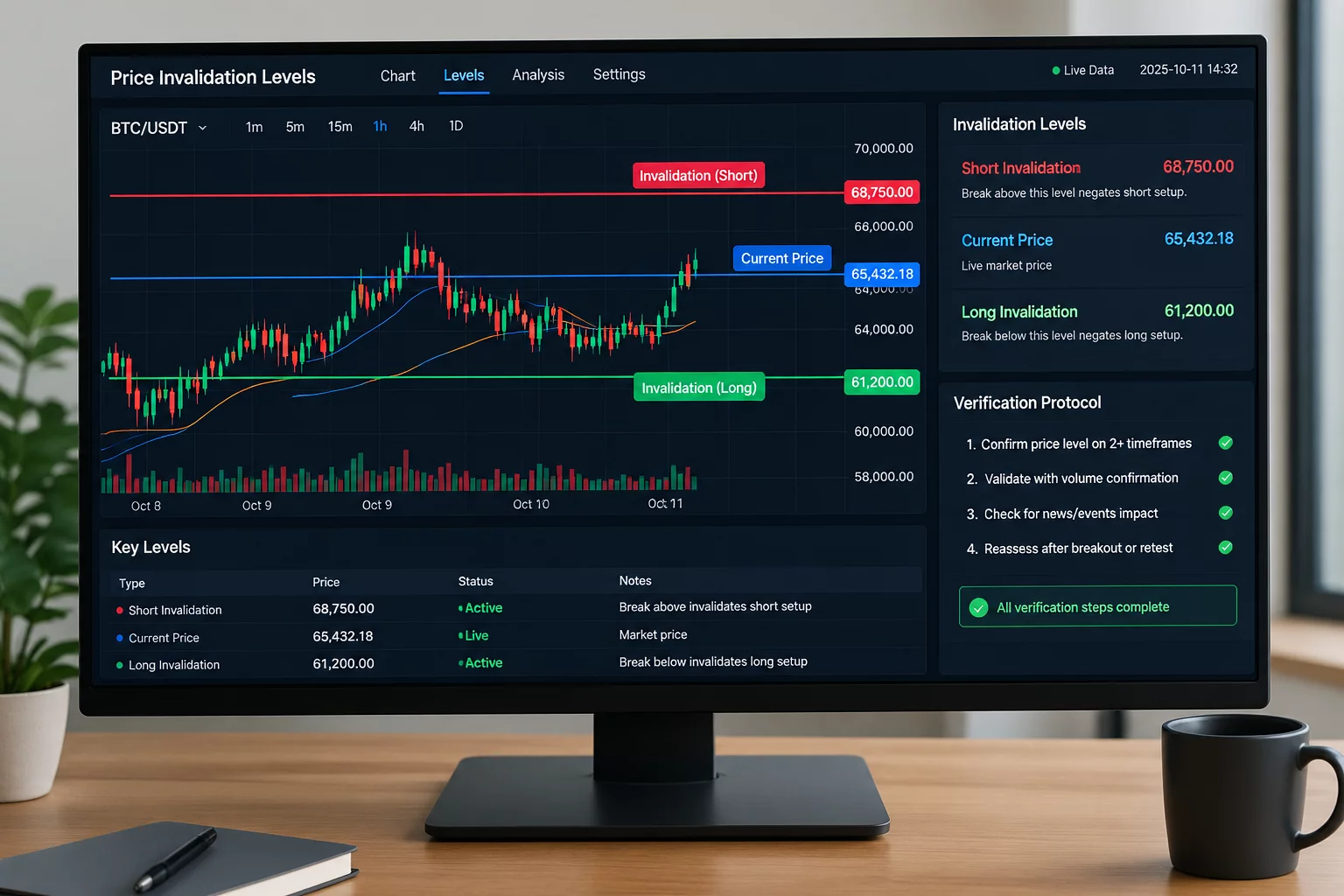
If a monitored asset breaks below its structural invalidation floor at any point prior to the final review date, the procedure mandates an immediate terminal classification. The asset is removed from the active watchlist and logged as an invalidation event. By enforcing automatic removal, the analyst maintains clean visual workspace and avoids tracking stale tickers.
Execution Steps for the Weekly Simulation Routine
Implementing this methodology requires a disciplined, repeatable operational cycle conducted at the close of every trading week:
- [01] Setup Parameter Recording: Document the technical setup name, trigger price level, invalidation threshold, and expected time horizon inside the ledger.
- [02] Milestone Review Execution: Inspect all active simulation entries on their designated review dates without altering any initial parameters.
- [03] Terminal Archive Logging: Classify finished observations into verified categories—Target Reached, Invalidated, or Timed Out—and transfer records to historical archives.
Over quarterly cycles, these archived logs furnish clear quantitative metrics regarding screening efficacy. You discover exactly which setups produce high-probability continuation and which consistently fail, establishing an evidence-based foundation for your market surveillance.